Vedic astrology can seem like a vocabulary test before it becomes a subject you can explore. Rashi, lagna, nakshatra, dasha: each term points to a different part of a larger interpretive system. Start by separating those parts. You do not need to learn every technique at once.
This guide introduces the framework of Jyotisha, commonly called Vedic astrology. It describes traditional ideas, rather than treating their predictions as established facts.
A chart is a starting point
A birth chart records the calculated positions of celestial bodies for a particular birth time and location. Those positions are then represented through signs and houses. A chart calculation and a chart interpretation are separate activities: software can calculate a position without establishing that the position predicts a life event.
For a first reading, think of the chart as a set of coordinates within a tradition. An interpretation assigns symbolic meaning to those coordinates. Different practitioners may disagree even when they use the same chart.
Signs, houses, and planets
Three building blocks help make a chart legible:
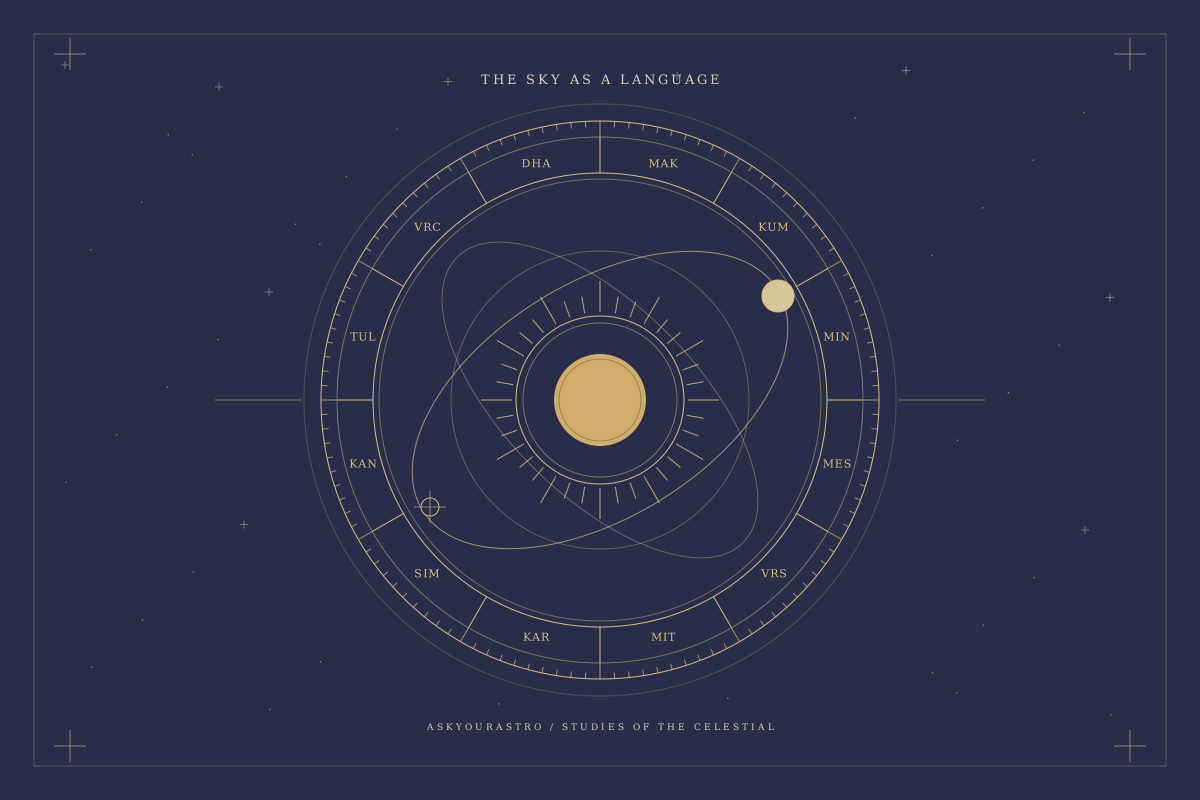
- Signs, or rashis, divide the zodiac into twelve equal sections. A planetary placement includes the sign in which that body is located.
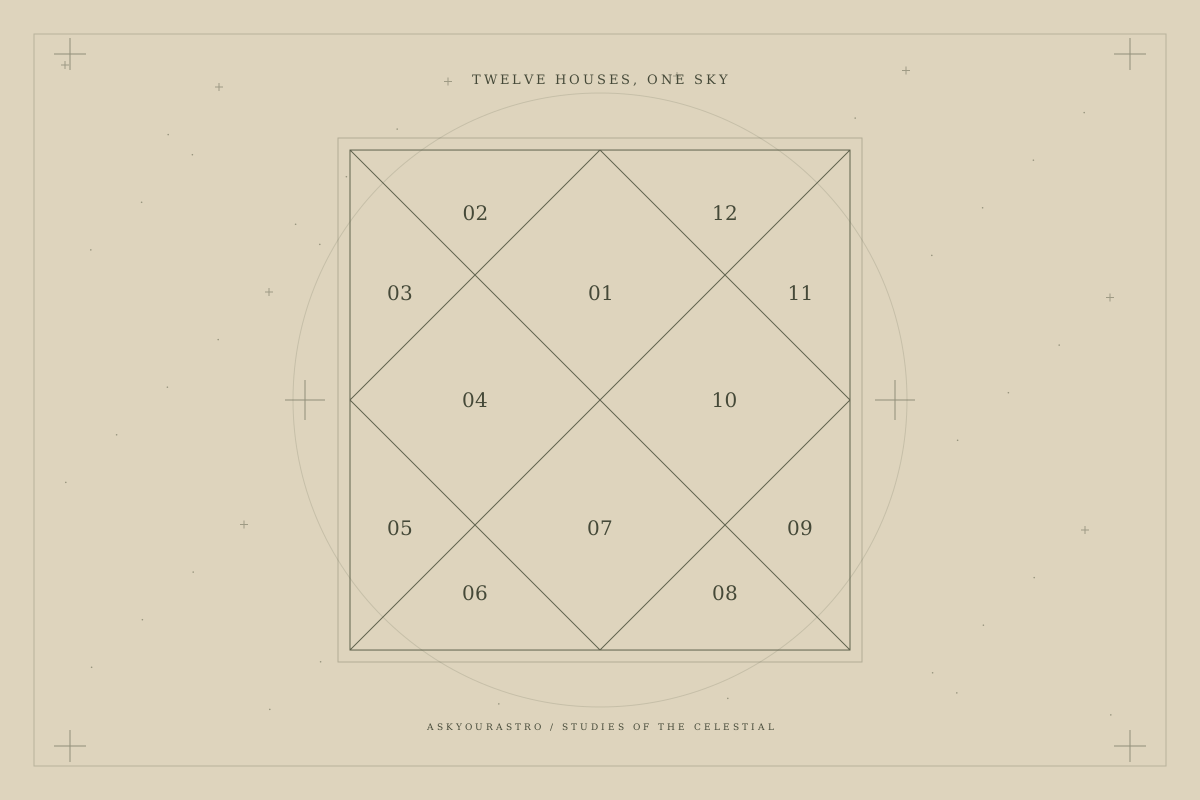
- Houses, or bhavas, organize traditional areas of life. House interpretation depends on the ascendant and the house system being used.
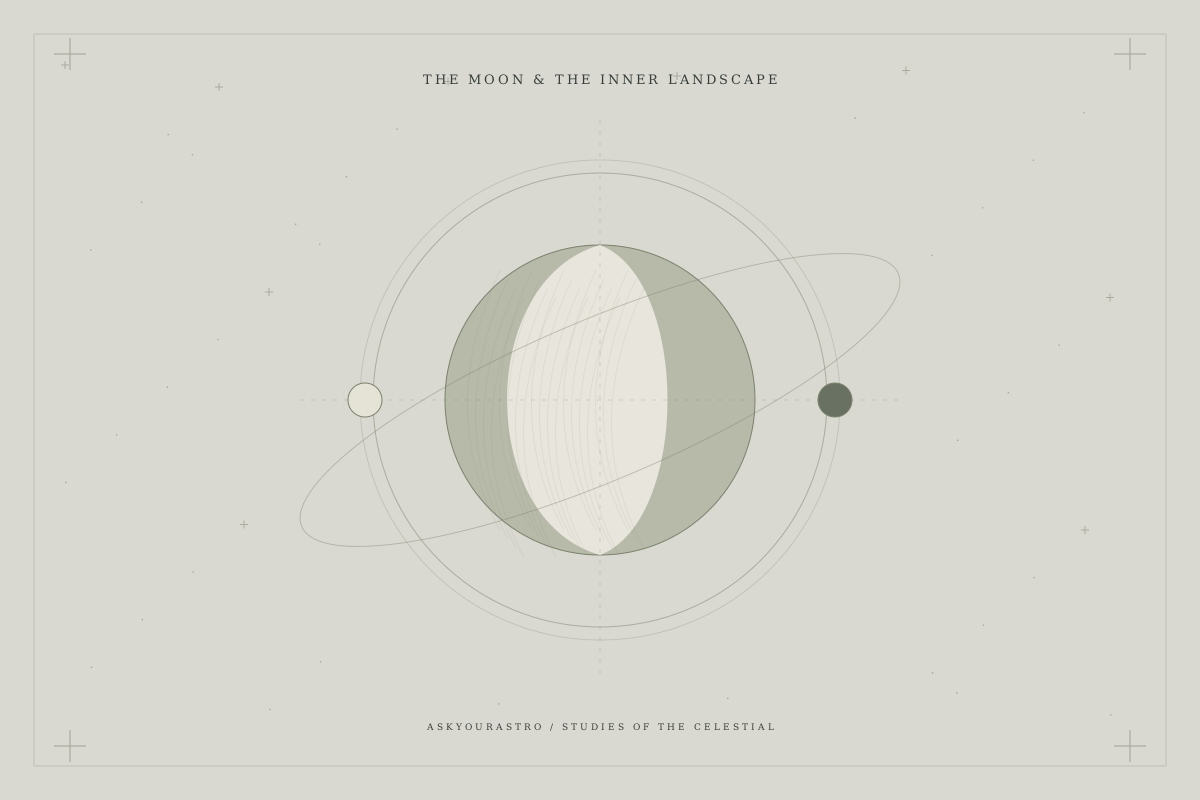
- Planets, or grahas, supply another set of symbolic associations. The traditional navagraha include the Sun, Moon, five visible planets, and the lunar nodes Rahu and Ketu.
The nodes are calculated points associated with the Moon’s orbital crossings, rather than physical planets. This is one reason everyday astronomical terminology and traditional astrological language do not always align exactly.
Why the zodiac system matters
Most Vedic practices use a sidereal zodiac. Many popular Western horoscopes use a tropical zodiac. These systems have different reference points, so a sign shown by one system can differ from the sign shown by another.
The offset used between the systems is called an ayanamsha. There are several conventions. If two chart tools disagree, check their zodiac, ayanamsha, birth time, time zone, and location settings before assuming that one has made an error.
Timing adds another layer
Once the natal chart is understood, practitioners may consider planetary transits or a dasha system. A transit concerns current planetary movement. A dasha is a traditional sequence of periods derived from chart information. They are different tools and should not be treated as interchangeable.
Neither a period label nor a single moving planet gives enough context for a responsible interpretation. Be especially cautious about claims that one placement guarantees marriage, wealth, illness, or misfortune.
A sensible first reading
Begin with your source information. Record where your birth time came from and whether it may be approximate. Then learn to identify the ascendant, Moon sign, and house numbering without trying to judge them as good or bad.
Next, work through the birth-chart reading guide. Keep a small glossary and distinguish what you can observe in the diagram from what an author interprets. That habit makes it easier to compare explanations and ask more useful questions.
Keep perspective
Astrology can be approached as a cultural tradition, a symbolic vocabulary, or a reflective practice. It is not a scientifically established method for predicting individual outcomes. A thoughtful reading leaves room for uncertainty, personal choice, and practical evidence.
Continue with the twelve houses when you are ready to put the chart’s different layers together.
TAKE THE NEXT STEP
Bring your questions with you.
Learn about AstroSaathi’s Android project and its approach to personal astrology conversations.
Explore AstroSaathi